

🧠 AI-Powered Brain Health Monitoring During Physical Activity and Sports.

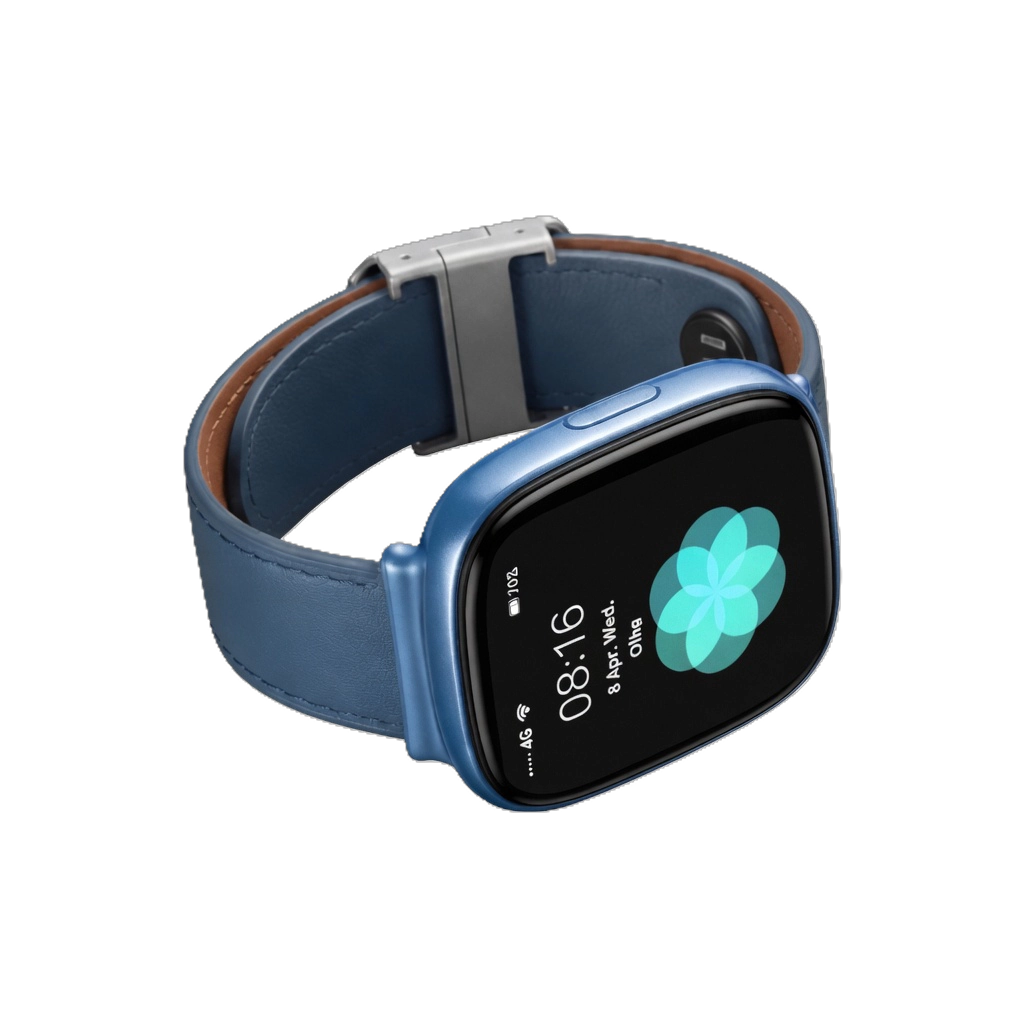
You're used to tracking your heart rate, steps, and calories. But did you know that modern AI smartwatches can assess how your brain is working — in real time?
This is especially important during physical activity and sports. Why? Because during intense workouts, the brain consumes up to 20–30% of all the energy in your body. Overloading it, oxygen starvation, or impaired blood flow can lead to:
sudden weakness and dizziness right during a workout;
loss of coordination and increased risk of injury;
long-term decline in concentration and cognitive abilities.
ACCO AI algorithms analyze the state of the brain dynamically, using data from optical sensors on the wrist. Here are the parameters that are assessed (list with explanations):
| Parameter (abbreviation) |
|---|
What it reflects
Why it matters in sports
CMRO₂ (cerebral metabolic rate of oxygen)
How much oxygen the brain consumes per minute
A drop in CMRO₂ → brain hypoxia. A signal to reduce intensity or ventilate the room
CBF (cerebral blood flow)
Blood flow speed in the brain's vessels
Long-term increase → risk of vascular overload and even hemorrhage (stated in the watch's assessment)
CVR (cerebrovascular resistance)
How "tight" or relaxed the brain's vessels are
Decreased CVR increases blood flow to the brain, but may cause headache and dizziness
SjvO₂ (jugular venous oxygen saturation)
Oxygen saturation of blood leaving the brain
A direct marker: is the brain starving for oxygen when you are at peak exertion
ICP (intracranial pressure)
Pressure inside the skull
| During straining (weightlifting, planks), ICP can spike — a warning for those prone to headaches |
ajvDO₂ (arteriovenous oxygen difference)
Difference in oxygen between blood entering and leaving the brain
Shows how efficiently the brain extracts oxygen during exercise
CBV (cerebral blood volume)
Volume of blood in the brain's vascular bed
Changes when vessels expand/constrict — important for assessing overload
CPP (cerebral perfusion pressure)
Pressure that ensures blood flow to the brain
A drop in CPP → risk of ischemia (lack of nourishment)
FIB (fibrinogen)
A protein affecting blood clotting
Indirectly affects blood viscosity and the risk of thrombosis in the brain's vessels
⏱️ Measurements every 5 minutes — what does this give?
The ACCO AI smartwatch takes measurements once every 5 minutes, allowing it to track not a static norm, but dynamics in near real time. The artificial intelligence sees:
whether cerebral blood flow dropped sharply after lifting weights;
whether the vessels became "tight" during a sprint;
whether intracranial pressure is going beyond your usual limits in an awkward posture or during straining.
This is a fundamental difference from one-time medical measurements, which do not show the picture during movement.
💡 What recommendations can the watch give based on this data?
The system provides personalized prompts — from immediate advice during workouts to warnings about risks.
1. Recommendations for adjusting load (the most common type)
"Reduce intensity / Slow down the pace"
The algorithm sees that CBF (blood flow) has risen sharply and CVR (vascular resistance) has fallen below normal. This is a sign that the vessels are maximally dilated and the brain is overloaded. Staying in this zone for a long time risks dizziness or hyperperfusion (excessive blood flow).
"Take a pause / Rest"
If CMRO₂ (oxygen consumption by the brain) drops despite a high heart rate, it means the brain is starting to suffocate (hypoxia). This is a critical signal for immediate rest.
"Change your breathing pattern"
By analyzing the relationship between CBF and SjvO₂, the watch may suggest: "Lengthen your exhale" or "Breathe more deeply" to normalize gas exchange.
2. Health risk warnings
This is a "yellow light" during prolonged or strong deviations:
Risk of hypertension and hemorrhage (directly stated in the watch's assessment for CBF):
"With a long-term increase in cerebral blood flow, there is a risk of cerebral hemorrhage, especially against the background of high blood pressure".
→ Recommendation: monitor your blood pressure; if you have a headache or "floaters" (spots in vision), see a doctor.
Risk of ischemia (with a critical drop in CPP or CBF):
→ Recommendation: stop the activity, lie down, measure your blood pressure.
3. Contextual and preventive advice
"Watch your hydration"
Dehydration of just 2% increases blood viscosity and impairs cerebral blood flow. The watch, seeing a deterioration in parameters, may remind you to drink water.
Sleep and rest correction
The system analyzes how the quality of your previous sleep affects your morning CBF and CMRO₂. If values are low, the advice is to go to bed earlier or air out the room before sleep.
"Check your posture / neck position"
Changes in venous outflow through the jugular vein can be caused by compression of the neck vessels (awkward posture, tight collar, head tilt during exercises). The recommendation — change your position.
⚠️ Important note.
The watch provides a probabilistic forecast and trends, not a medical diagnosis. They are excellent for athletes, tracking dynamics, and early detection of abnormalities. However, if real symptoms appear (severe headache, nausea, vomiting, confusion, sudden weakness), the watch's only recommendation is — seek medical attention immediately.
📌 Main takeaway.
If you often feel "brain fog", unexplained fatigue, or headaches after the gym — your brain may be overloading, and you don't notice it. The ACCO AI smartwatch helps you see this before the problem becomes chronic, and gives you concrete steps: reduce the pace, adjust your breathing, drink water, or see a doctor.
Do you track your cognitive state during fitness? Or only your heart rate and calories? 👇


Keep reading our blog


© 2026. All rights reserved.
COOKIE USE
By using our website, you consent to the processing of cookies and user data. If you do not want your data to be processed, please leave the site.